
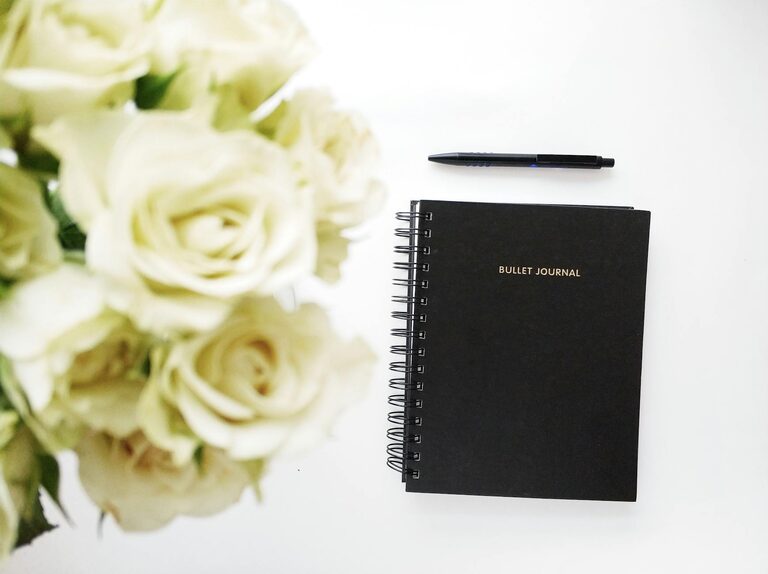
Bullet journaling has become a popular method to keep track of daily tasks, goals, and ideas — all while adding a personal and creative touch to your planning. If you’re new to the concept or looking for an easy way to get started, this beginner guide will walk you through what you need and how to create your own bullet journal step-by-step.
What is Bullet Journaling?
Bullet journaling, often called “BuJo,” is a customizable organizational system developed by Ryder Carroll. It combines elements of a planner, diary, to-do list, and sketchbook into a single notebook. The beauty of bullet journaling lies in its flexibility, allowing you to design pages that fit your unique lifestyle.
The system uses “bullets”—simple symbols representing tasks, events, and notes—to help you quickly capture and organize information.
What You’ll Need to Start
Getting started with bullet journaling doesn’t require fancy tools. Here’s what you need:
– Notebook: Choose any notebook you like. Popular choices include dotted or grid notebooks, which make drawing layouts easier, but lined or blank notebooks work fine too.
– Pen or Pencil: A simple pen is all you need to start. You can add colored pens or markers later if you want to decorate.
– Ruler (optional): Useful for creating straight lines and neat layouts.
Basic Elements of a Bullet Journal
Understanding the core components will help you set up your journal efficiently.
1. Index
The index acts like a table of contents. It helps you find important pages quickly by listing their page numbers. Reserve the first few pages of your notebook for the index.
2. Future Log
This is a yearly overview where you jot down important dates, appointments, or deadlines coming up over the next few months.
3. Monthly Log
Each month gets its own section to record events, goals, and tasks. It usually includes a calendar page and a task list.
4. Daily Log
Here you write your day-to-day tasks, events, and notes. This is the heart of the bullet journal where you track your daily activities.
5. Collections
Collections are specialized lists or trackers, such as habit trackers, book lists, meal plans, or project details.
How to Set Up Your First Bullet Journal
Step 1: Number Your Pages
Number each page in your notebook. This helps with referencing pages in the index.
Step 2: Create the Index
Reserve the first two pages or so for your index. Leave space to add references as you fill your journal.
Step 3: Set Up Your Future Log
Divide two pages into sections for upcoming months. Write key dates or events here to keep track of long-term plans.
Step 4: Prepare Your Monthly Log
Start a new section with the name of the month at the top. On one side, create a calendar or list of dates, and on the other, write your tasks for the month.
Step 5: Start Your Daily Logs
Dedicate a page (or more) to each day. Record tasks, appointments, and any notes. Use bullet points and symbols to keep things concise.
Using Key Symbols
Symbols make it easy to scan and organize information quickly. Here’s a basic set:
– • (dot): Task
– ◦ (open circle): Event
– – (dash): Note
– X: Completed task
– > : Task migrated (moved to a new day or month)
– < : Task scheduled (moved to the future log)
Feel free to adapt or create your own symbols that best fit your needs.
Tips for Staying Motivated
– Keep it simple at first: Don’t worry about making your pages perfect or artistic right away. Focus on functionality.
– Customize as you go: Experiment with layouts and collections to find what works best for you.
– Use colors and stickers: Adding color can make your journal more enjoyable and easier to navigate.
– Review regularly: Spend a few minutes each day or week updating and reflecting on your bullet journal.
– Don’t stress about missed days: Bullet journaling is flexible. You can pick it up anytime.
Popular Collections to Try
– Habit tracker: Track daily habits like water intake, exercise, or reading.
– Mood log: Record your emotions to identify patterns.
– Gratitude log: List things you’re thankful for regularly.
– Budget tracker: Monitor your expenses and savings.
– Travel plans: Organize trip details and packing lists.
Final Thoughts
Bullet journaling is a rewarding way to stay organized while tapping into your creativity. Starting simple helps you build a sustainable habit that can grow with your needs. Remember, there’s no right or wrong way to bullet journal — it’s all about creating a system that supports your life.
Give it a try, and enjoy the process of turning your notebook into a personalized planner and creative outlet!