
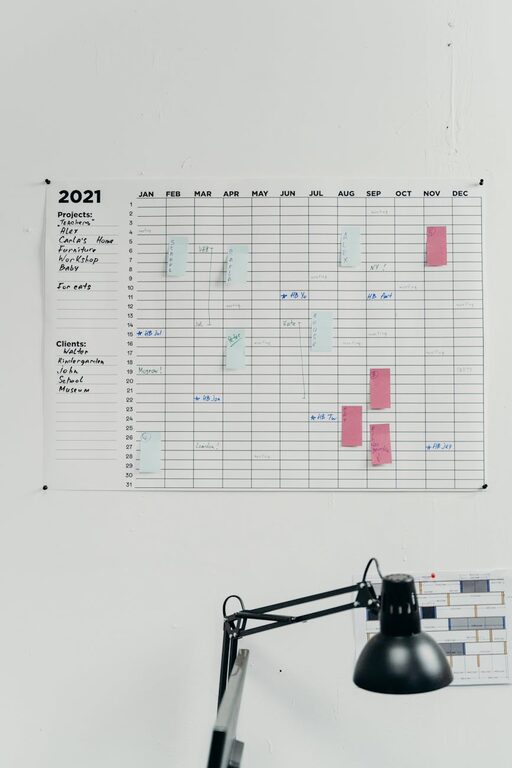
Creating a family command center is a great way to bring order to busy household schedules and activities. With one centralized spot for calendars, to-do lists, and important information, every family member can stay informed and prepared. Whether your household has kids with after-school activities or you just want an easier way to manage appointments and chores, setting up a family command center can make daily life run more smoothly.
In this post, we’ll guide you through the key steps to design your own family command center and share tips to keep it functional and clutter-free.
What Is a Family Command Center?
A family command center is a dedicated area in your home where you organize essential information, schedules, and reminders all in one place. Think of it as a hub for family communication and planning—whether it’s tracking school events, meal planning, or keeping important documents handy.
Common features include calendars, message boards, mail organizers, and storage for keys or supplies. The goal is to reduce stress by having everything visible and accessible.
Choosing the Right Location
The best spot for your command center is somewhere that your family passes by frequently. Popular options include:
– Kitchen wall or nook: Often the heart of the home, ideal for quick glances.
– Entryway or mudroom: Great for grabbing reminders as you head out.
– Home office or hallway: Convenient if you want a dedicated planning space.
Keep in mind that the area should have enough room for your chosen components and be easily reachable for both adults and kids.
Essential Components of a Family Command Center
Your command center should fit your family’s unique needs, but most effective setups include a few core items:
1. Family Calendar
Use a large wall calendar or a whiteboard calendar where all appointments, school events, and social activities are recorded. This helps everyone see the upcoming schedule at a glance.
2. To-Do and Chore Lists
Incorporate magnetic boards or clipboards with daily, weekly, or monthly task lists. Assign chores and check off completed items to keep accountability.
3. Message Center
A section with a corkboard, magnetic board, or clipboard for reminders, notes, invitations, and important papers.
4. Mail and Paper Organizer
Use wall-mounted file holders or trays to sort incoming mail, permission slips, bills, and other documents that require attention.
5. Key Hooks and Charging Station
Install hooks for car and house keys, and consider a small shelf or container for phone charging cables or other gadgets.
Optional Additions for Extra Efficiency
Depending on your family’s lifestyle, you might also want to include:
– Menu planning board to map out weekly meals.
– Grocery list or pantry inventory for quick shopping organization.
– School supply or homework station with bins for papers and supplies.
– Inspirational quotes or family goals to motivate and encourage.
How to Set Up Your Command Center Step-by-Step
Step 1: Clear and Prepare the Space
Start by decluttering the chosen area. Wipe down walls or surfaces and gather any tools you’ll need, such as hooks, nails, or adhesive strips.
Step 2: Choose Your Base
Decide whether you’ll use a chalkboard, whiteboard, corkboard, framed calendar, or a combination. You can purchase command center kits online or customize your own.
Step 3: Arrange and Mount Components
Position key elements at eye level for easy access. For example, place the calendar where it’s clearly visible, with chore lists close by. Install key hooks near the door or central location.
Step 4: Add Storage Solutions
Incorporate baskets, bins, shelves, or magazine holders to store supplies, papers, or mail. Label each container to keep things organized.
Step 5: Personalize and Decorate
Make the space inviting with family photos, colorful markers, or decorative elements. A cheerful command center increases the likelihood that everyone will use it.
Tips for Maintaining Your Family Command Center
– Schedule weekly check-ins to update the calendar, clear paperwork, and review tasks.
– Encourage family participation by having everyone contribute to lists and reminders.
– Keep supplies stocked, such as markers, pens, and sticky notes, for quick updates.
– Limit clutter by regularly purging old papers and expired events.
– Adjust as needed—modify the system to fit evolving family routines.
Conclusion
A family command center can transform your household by providing a centralized space to keep everyone connected and organized. Through thoughtful planning, choosing the right components, and involving your family, you’ll create a tool that simplifies daily life and reduces stress.
Start small, tailor the setup to your needs, and enjoy the benefits of a well-organized home!
—
Have you created a family command center before? Share your tips and ideas in the comments below!